

I keep seeing (or hearing, really) indie game developers fall into a common trap: guarding their work in progress until it feels “ready.” There is a natural instinct to polish every asset, iron out every bug, and refine every mechanic before allowing a single outside person to see it. I get it. You’re protective of your magnum opus. It will, of course, change the world, or at least the global gaming landscape as we know it. Songs will be sung about it, and so on.
Do not do this. It is one of the most dangerous habits an independent creator can form.
Abandon the need for perfection – or even the mildly acceptable, highly polished mediocrity encouraged by AAA games – before showing anyone your game. Get it in front of a real audience, as early and as often as possible. It’s the single most effective way to turn a rough experience into a standout title.
Fail Early and Faster
You do not need high-resolution textures, fluid animations, or a feature-complete build to begin sharing your game with the world. Show your game while it still looks like complete trash.
Yes, I’m serious. No, really.
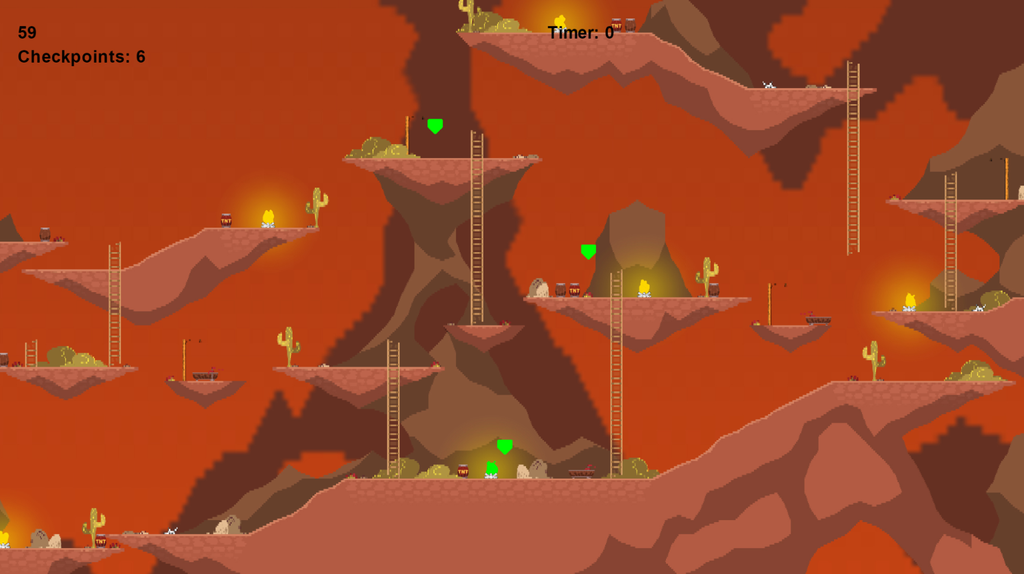
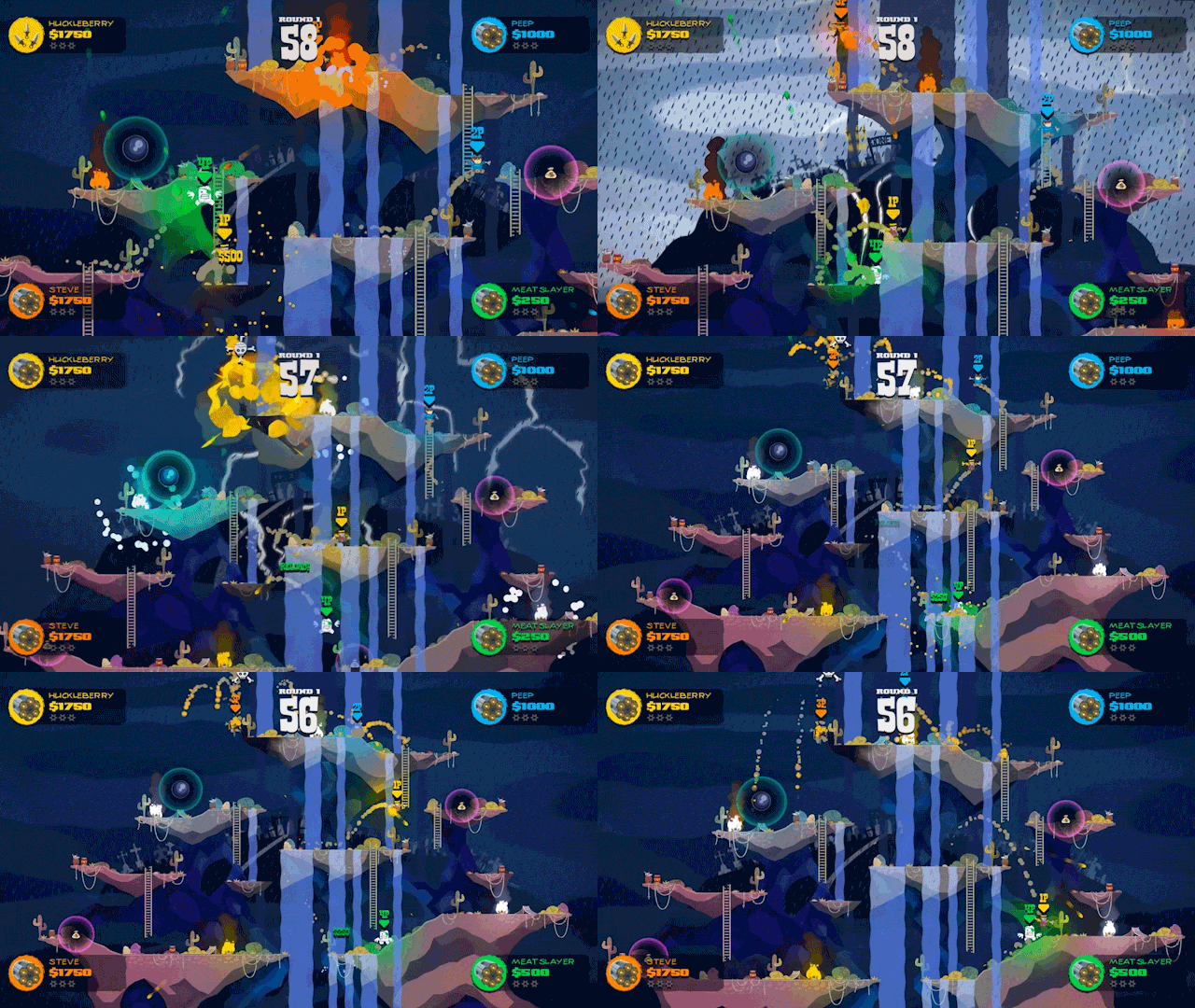
If your core mechanics aren’t engaging when represented by simple geometric shapes, no amount of custom lighting or particle effects will save them. Treat early builds like science experiments by releasing rapid prototypes to answer specific design questions about things like movement satisfaction, puzzle intuitiveness, and mission (goals, win conditions, etc.) clarity. Discovering a fundamental design flaw during month two of development requires a minor pivot. Discovering it after two years of polishing dead-end features can destroy a project entirely (we have all seen it and/or been there).
The Power of Unfiltered Playtesting
Watch real people interact with your game. It provides insights that no amount of brainstorming or internal playtesting can match. Step back and observe a raw playtest, and pay close attention to friction points where players hesitate or get lost. Note sparks of joy that cause them to smile or lean in. Look out for ignored content that players completely pass by – you may need to point them to it, or even drop it entirely. Which would be great! One less thing to worry about.
While friends, family and co-workers are excellent for initial sanity checks, their feedback is naturally skewed by affection and courtesy. To get objective, actionable data, put your latest mess of a build in front of strangers, specifically gamers, who actively play and enjoy the genre(s) you are targeting.
Remember that collecting feedback does not mean implementing every request. Your goal as an indie game developer isn’t to build a game by consensus, but to identify the underlying source of player confusion or frustration and solve it in a way that serves your vision. Do it early, and often.
Stop Optimizing the Irrelevant
It’s easy to seek refuge in low-stakes detail work when the broader game design feels intimidating or uncertain. Spending three full days tweaking the color palette of wallpaper in an interior scene the player will see once for 5 seconds, fine-tuning background ambient audio to get the screams of the damned just right, or coding an elaborate menu animation (unless your game is an elaborate menu animation simulator) might feel like productivity, but in the early stages, it’s procrastination.
Focus relentlessly on the foundation. Prioritize the fun factor by building and proving the core mechanics that define your game’s unique identity first. Defer the visual flair, intricate UI design, and narrative fluff until you have verified that the core loop is worth building upon. Keep your code flexible so that writing pristine, over-engineered solutions for features that might get cut next week or month or year does not drain your energy and project momentum.
Overcome the Fear of Exposure
Exposing your unfinished, visually rough, or buggy prototypes to the public – even other indie developers you don’t personally know – can feel intimidating. But vulnerability is an essential part of the creative process! Attend local game jams, showcase at indie meetups, share raw gameplay clips and development screenshots in developer forums, Discord channels, social, and so on. Force yourself to confront how people respond to your game in the wild. Talk to your audience!
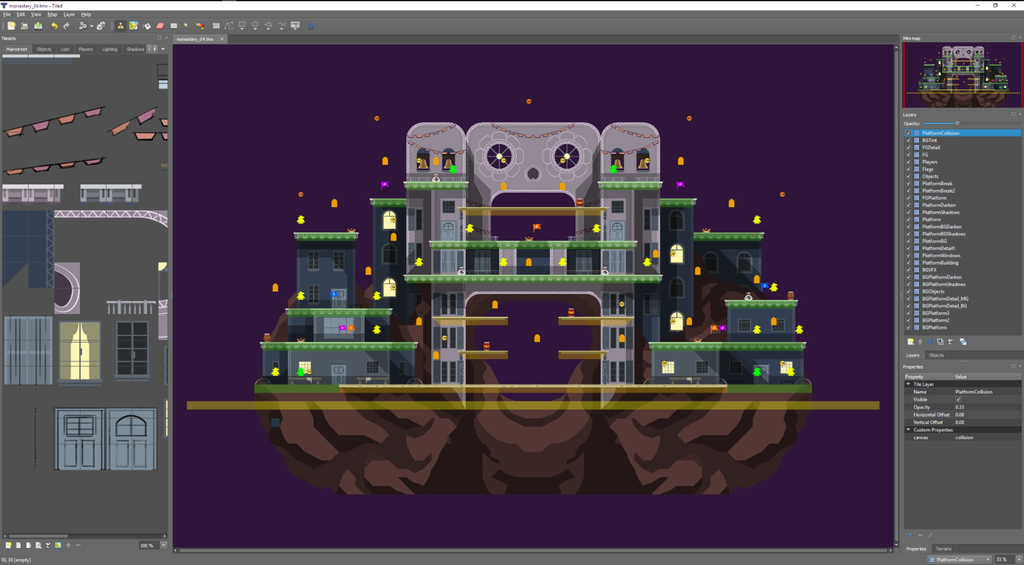
And build that audience early, because gamers love being part of a creative journey. Develop a loyal core community long before launch day. Make industry connections by networking with fellow developers, which opens doors to mentorship and collaboration. You’ll gain clarity by explaining your design decisions out loud to strangers, which often highlights areas where your vision needs tightening.
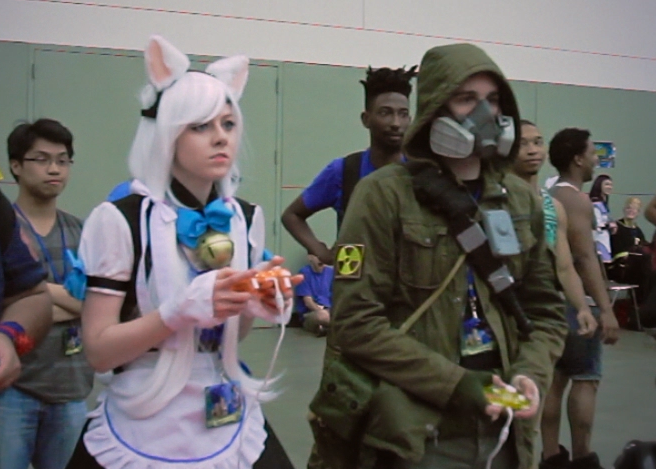
Stop being so precious. You’re making a game. Have fun with it, show it to others so they can have fun with it, and end up with a game that’s more fun to more people looking to have fun – the entire point of making games to begin with.
By day and hailing from north of the Mason/Dixon, AbstractPolygon is a Creative Director at an award-winning advertising agency, no big deal. On the side he designs, develops, animates, and writes soundtracks for games for fun, and for brands like Bell’s Beer, Duke Cannon, and Google. Sometimes he helps form gaming product partnerships with companies like Atari and Austin-based Roasty Buds Coffee Company. He’s been making games on and off since the 90’s, because making games is supposed to be fun, dammit.